
From Regenerative Forestry
to the Hydrogen Highway
By Way of the New Green Economy
Distributed, local clean energy built on restorative forestry, responsible financing, and a life-wage economy.
The most valuable product in the forest is no longer just the logs.
It is the forest itself — the entire living, self-sustaining ecosystem.
A healthy forest provides clean water, clean air, recreation, and renewable resources with which to build. And now, through gasification technology that converts forest biomass into hydrogen and then renewable natural gas (RNG), the forest can also provide clean, renewable energy — creating an enduring supply of sustainable power.
-

Ecosystem Restoration
Restoring forests to their natural balance by removing excess fuels, protecting old growth, and strengthening biodiversity. Healthier forests mean cleaner water, better wildlife habitat, and long-term ecological resilience.
-

Wildfire Risk Reduction
Strategic thinning eliminates ladder fuels and reduces the intensity of megafires. This approach protects communities, preserves soil integrity, and prevents catastrophic carbon release from uncontrolled burns.
-

Rural Economic Growth
Turning low-value forest residuals into high-value energy creates sustainable jobs and long-term economic stability for rural communities—without sacrificing the health of the land.

What We Do
For generations, forests were treated as timber inventories. Clear-cut, stripped, and weakened, they were managed for short-term extraction instead of long-term resilience. In doing so, we disrupted the very systems that protect us: soils that retain water, habitats that clean our air, forest structures that capture snowmelt, cool the planet, and stabilize the climate.
This didn’t happen by accident. It is the result of an extractive society.
Prolific Energy’s plan is to reverse that model—restore the forest by thinning it with modern logging techniques. The material removed becomes fuel for clean hydrogen and renewable natural gas, while eliminating the hazardous fuel loads driving today’s megafires. This is made possible by modern mechanized forestry and proven gasification technology, which for the first time allow this model to work at scale—turning low-value biomass into high-value clean energy. This is how we put people before profit—by protecting communities, restoring forests, and building a new energy economy that works for everyone.
Our Approach
-

Regenerative Forestry to Hydrogen
-

Distributed Hydrogen Production
-

Infrastructure, Not Commodity
What is Regenerative Forestry?
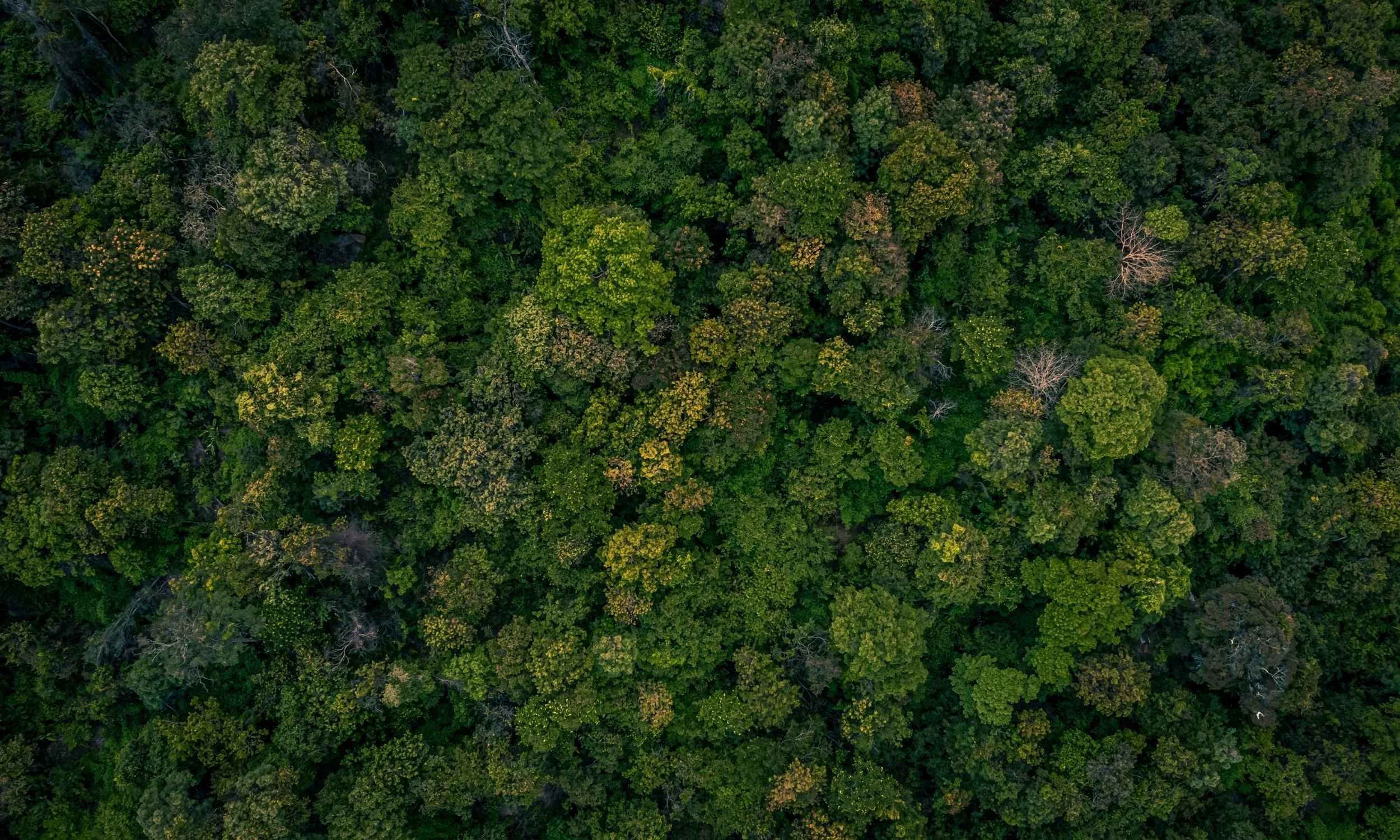
Regenerative forestry takes a different approach to forest management. Instead of clear-cutting large areas, the forest is selectively thinned to improve overall forest health while maintaining the natural structure of the ecosystem. Healthy trees over 30 inches in diameter are typically left standing, continuing to anchor the forest, provide habitat, and allow the canopy and forest floor to maintain continuity.
The trees that are removed are generally smaller diameter trees or timber that is unmerchantable due to corking, rot, disease, or poor form. Removing these trees reduces overcrowding, allows sunlight to reach the forest floor, and removes the dense undergrowth and ladder fuels that contribute to catastrophic megafires.
The material removed during thinning becomes biomass. Instead of being left in the forest to decay or burn in wildfires, this biomass can be used to produce clean hydrogen and renewable natural gas. Regenerative forestry strengthens forest ecosystems, reduces wildfire risk, supports rural economies, and turns responsible forest management into a sustainable source of clean energy.
Learn More about Prolific Energy
Recognized by the U.S. Forest Service
The U.S. Forest Service recognizes the importance of transforming forest residuals into value-added resources that support wildfire mitigation, ecosystem restoration, and rural economies.