
What is
Regenerative Forestry?
Stopping destructive clear-cutting practices and reducing catastrophic wildfire risk through proper forest management.
In the Pacific Northwest, many forests have become dangerously overcrowded with small trees and ladder fuels. These conditions allow fires to climb from the forest floor into the canopy, creating the massive, uncontrollable wildfires we are seeing every year.
Regenerative forestry takes a different approach. Instead of clear-cutting entire areas, forests are carefully thinned, removing ladder fuels, small diameter trees, and other unmerchantable material so the forest can return to a healthier and more resilient state.
The material removed during this process — small trees, ladder fuels, and other low-value biomass — becomes the feedstock that Prolific Energy converts into hydrogen and renewable natural gas.
Forest fire mitigation, stopping clear-cutting, and producing clean energy are all part of the same solution.
Origins of the
Regenerative Forestry Vision
In 2012 I was looking for a forest source to support building a biomass energy plant. The Yakama Nation had roughly a one-million-acre forest that they actively managed and logged. I found a realtor in the area and asked if he knew of any entrepreneurial logging operations on the reservation. He came back with the phone number for Kip Ramsey Jr.
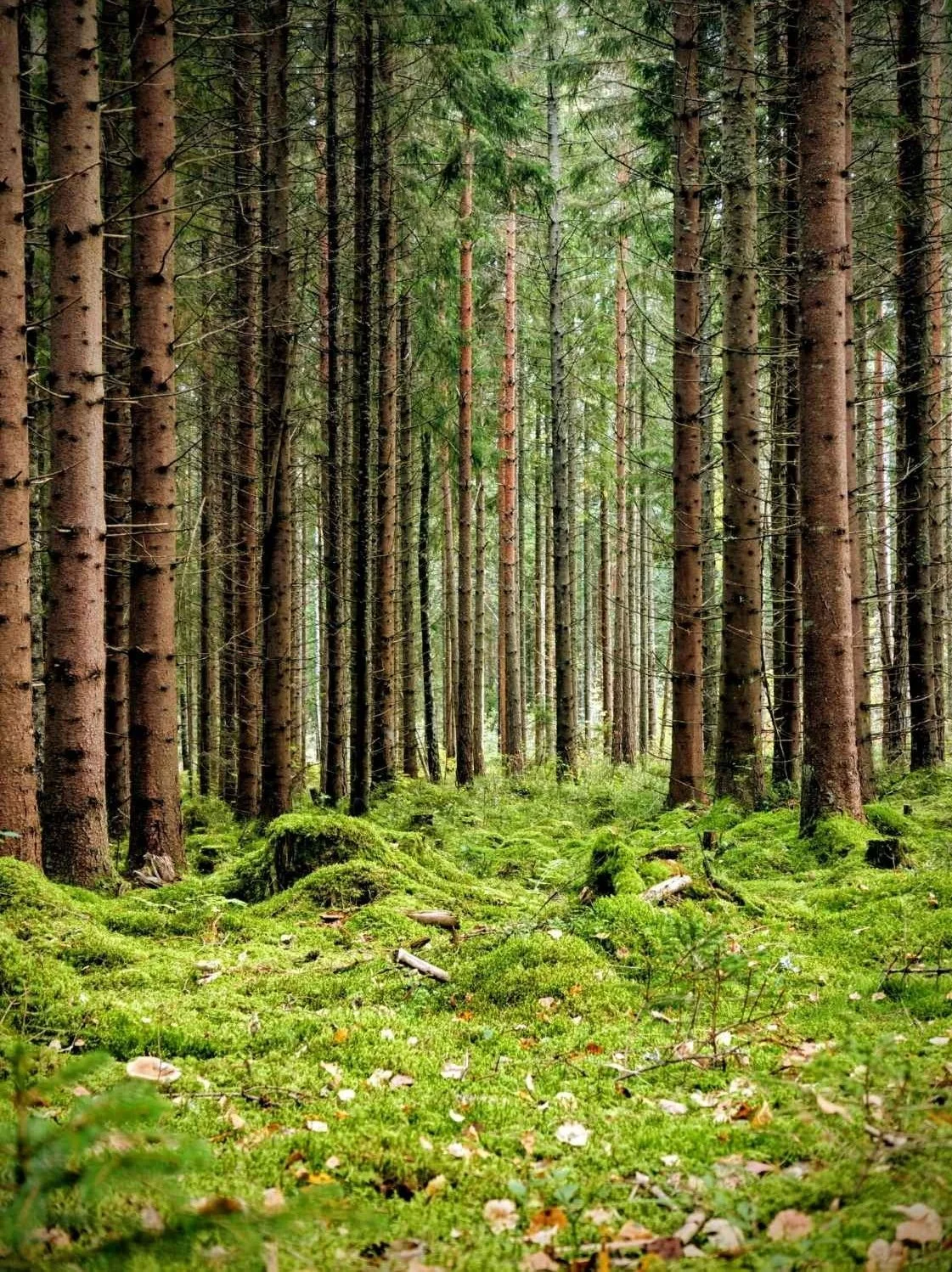
Kip and I quickly became friends and soon made a deal to partner on a biomass project to produce electricity. Not long after that, he took me into the Yakama forest, and it opened my eyes. The forest looked like a park. The trees were spaced out, healthy, and strong. It didn’t look anything like many of the forests we see today where trees are jammed together so tightly that a single spark can turn the entire landscape into an inferno.
The Yakama Nation manages their forest very differently. They do not cut healthy trees over 30 inches in diameter. Instead, they remove the unhealthy trees and selectively thin the forest, allowing the remaining trees to grow larger and stronger. Kip also explained another practice that impressed me. During the winter, they bring cattle into the forest to forage. The cattle do what cattle naturally do — they eat the vegetation and fertilize the soil — helping manage the undergrowth and reduce the ladder fuels that contribute to catastrophic wildfires.
Seeing this system in action changed the way I thought about forests. It showed me that forests could be managed in a way that strengthens the ecosystem, reduces wildfire risk, and still supports economic activity. That experience became the foundation for what I now call regenerative forestry.